There’s something we all think about first thing in the morning: “What should I eat today?” and “What should I wear today?”
Just like our daily meals, fashion is a very important part of our lives. Perhaps that’s because it’s one of the ways we express our true selves. Depending on which T-shirt and outerwear we pair, or which pants and socks we choose, the mood of the day and the way we express ourselves can change completely.
However, there are some people who find it difficult to express their true selves. That would be the visually impaired. Perhaps because choosing a T-shirt or a pair of socks has always been so second nature to us, it’s hard to imagine that anyone might find “choosing socks” difficult. That’s probably why I found Resite’s crowdfunding project on Wadiz even more surprising and impressive.

Description of Resite posted on the Wadiz crowdfunding platform
The maker we’re introducing today is “Resite,” a brand that doesn’t just make socks—it helps visually impaired people define their own “style” and, furthermore, express their unique “identity.”

Q. How did you get started with Recite?
Resite is a club dedicated to “bridging the information gap for the visually impaired.” The name “Resite” has two meanings: first, it is a compound word combining “re” (meaning “again”) and “site” (meaning “to see”), signifying our goal of helping visually impaired individuals see clothing they have not been able to see before. Second, it signifies our commitment to re-examining the challenges faced by the visually impaired—challenges that were previously unknown not only to the visually impaired but also to people with other disabilities and those without disabilities.

The reason I first decided to do something for the visually impaired was an article I came across while the Resite team was brainstorming ways to address the digital divide. It was an interview with the brand “No Music, No Life” Wadiz, which explained that they had developed clothing to address the issue that visually impaired people—whose vision is obstructed—struggle to choose outfits and are unable to enjoy fashion freely.
After reading the column, it felt like I’d been hit over the head. It was an issue I’d never even considered before. It struck me that while it’s completely natural for people without visual impairments to freely pick out the clothes they want from their closets every morning, it’s not at all natural for people with visual impairments, and I wanted to find a solution to this problem.
Q. It must have taken a long time to identify the actual problems and challenges faced by visually impaired people. What difficulties did you encounter when trying to put your idea into practice?
The first thing I did was meet with visually impaired people in person. I was curious about how they go about buying clothes and how they distinguish between colors when choosing what to wear.
However, we faced quite a few challenges in recruiting visually impaired participants. After compiling a list of organizations and reaching out to them, we received many responses indicating that operations were not running smoothly due to the COVID-19 situation, so they were unable to assist us. We kept making requests, and thankfully, one association recommended some participants, allowing us to meet with visually impaired individuals.

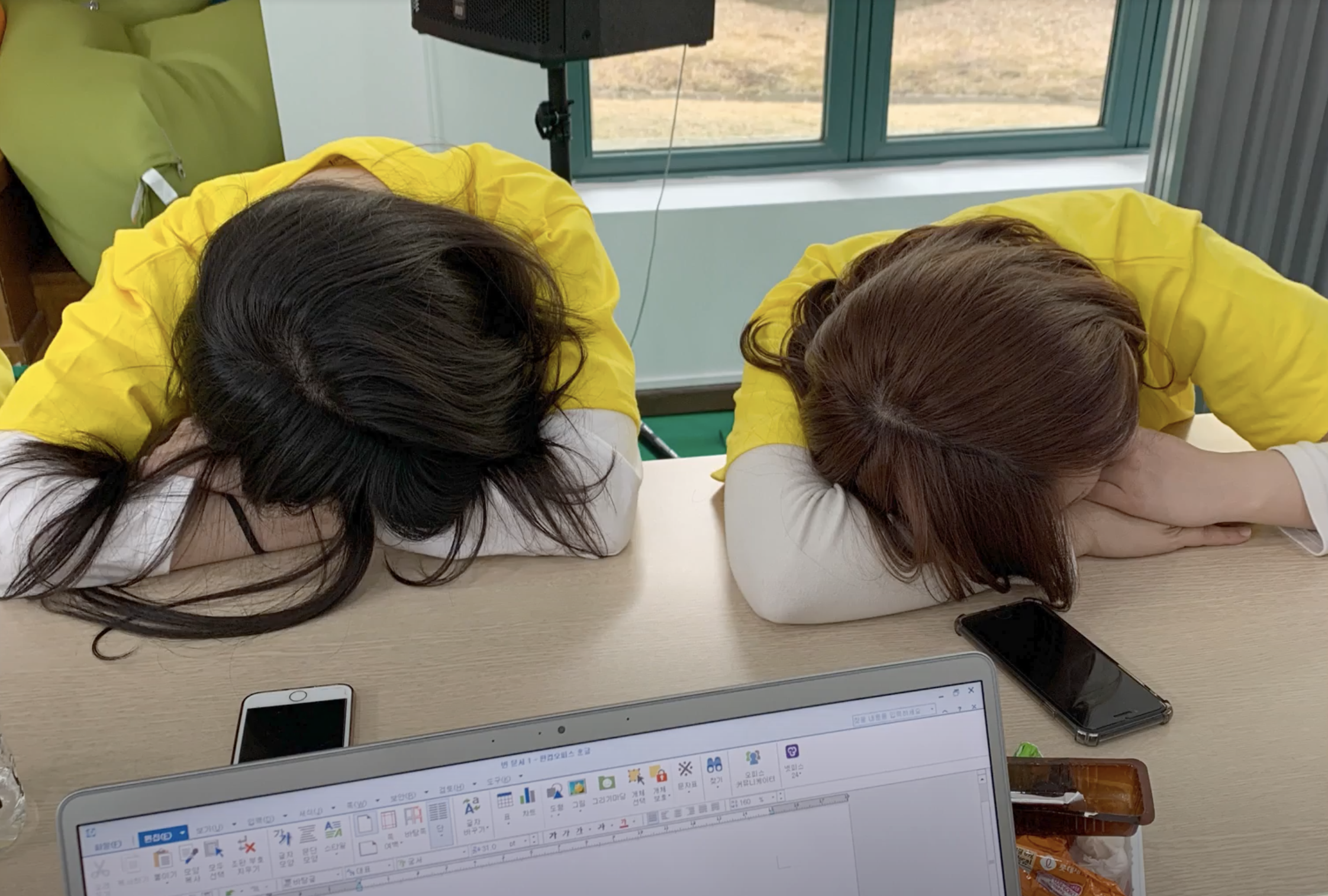
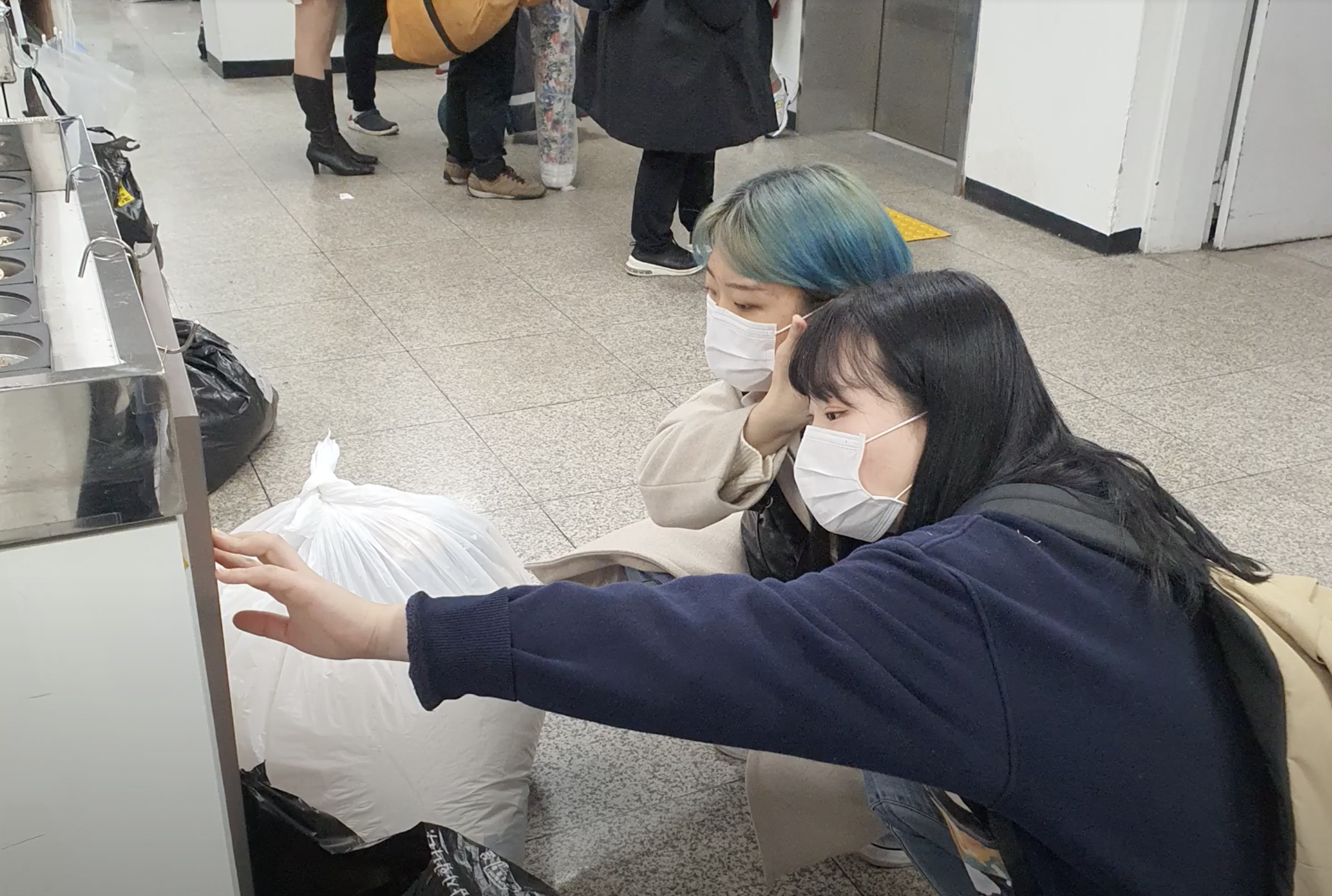
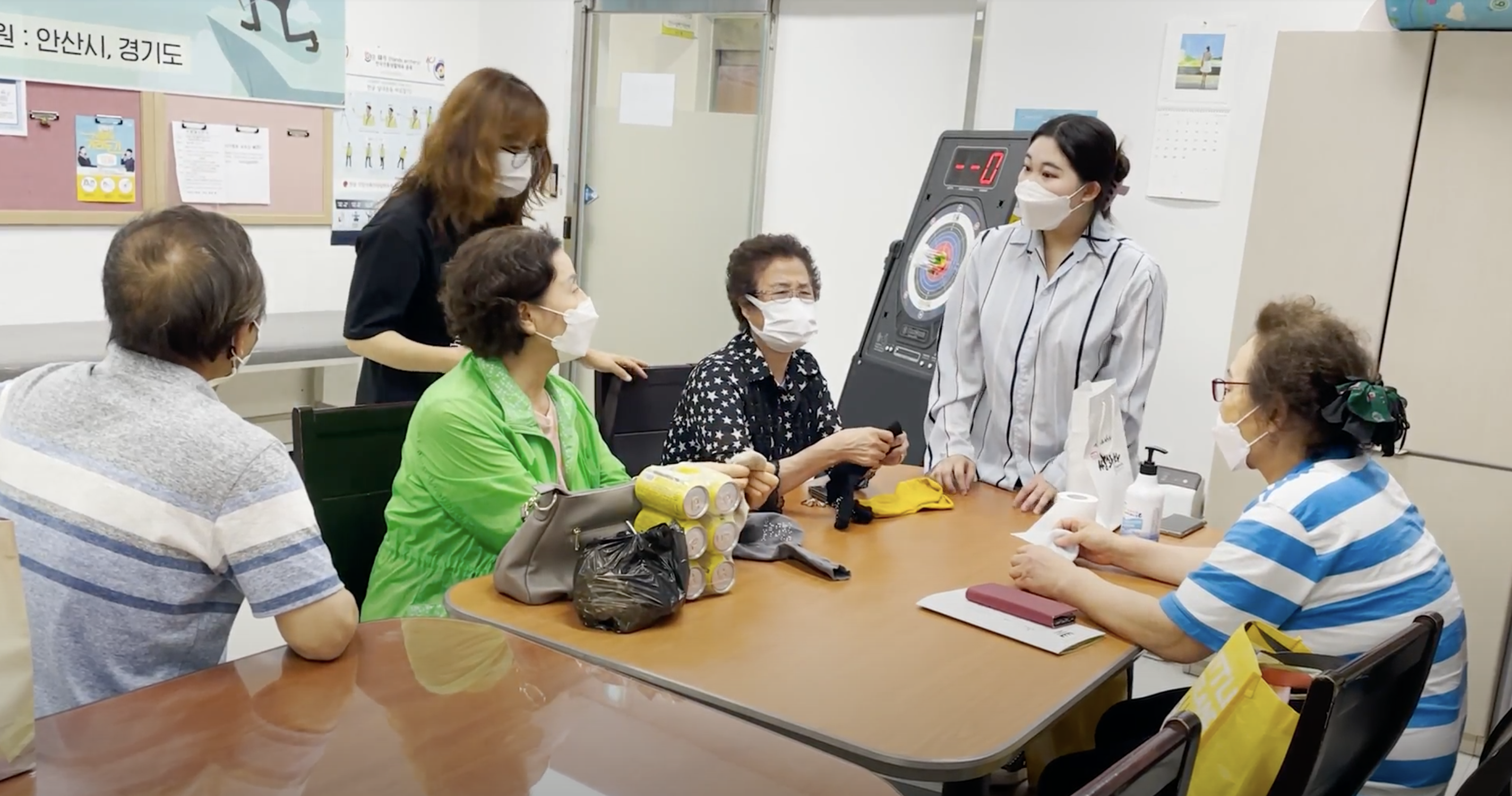
When we met in person to ask about the challenges they face in daily life, the Resite team members were treated with such kindness. In fact, they told us, “As a visually impaired person, I’m so grateful that young students are taking an interest in these issues,” and I almost started crying.
Most people said they’ve developed their own routines, such as assigning specific spots in their closets to organize their clothes or cutting out heart- or star-shaped labels to distinguish them. Others, especially family members, ask their personal care assistants or support workers to help them choose their clothes. Since clothes are something you wear every day, hearing that they feel sorry or guilty every time they ask for help made me feel an even stronger sense of responsibility that “we absolutely must solve this.”
Q. It must have been really tough for you in the beginning. What was it like when you actually met with visually impaired people and created your first product?
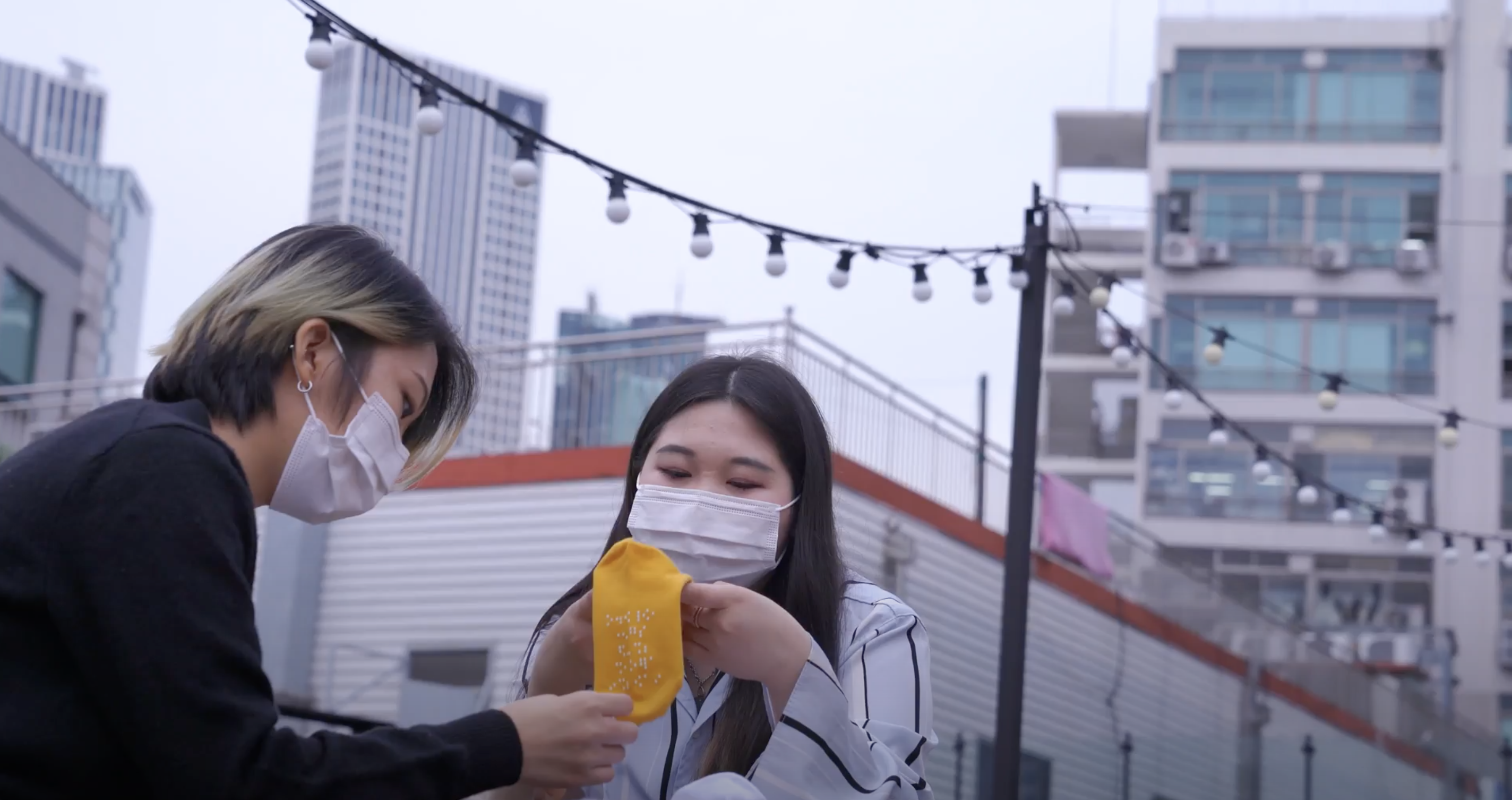
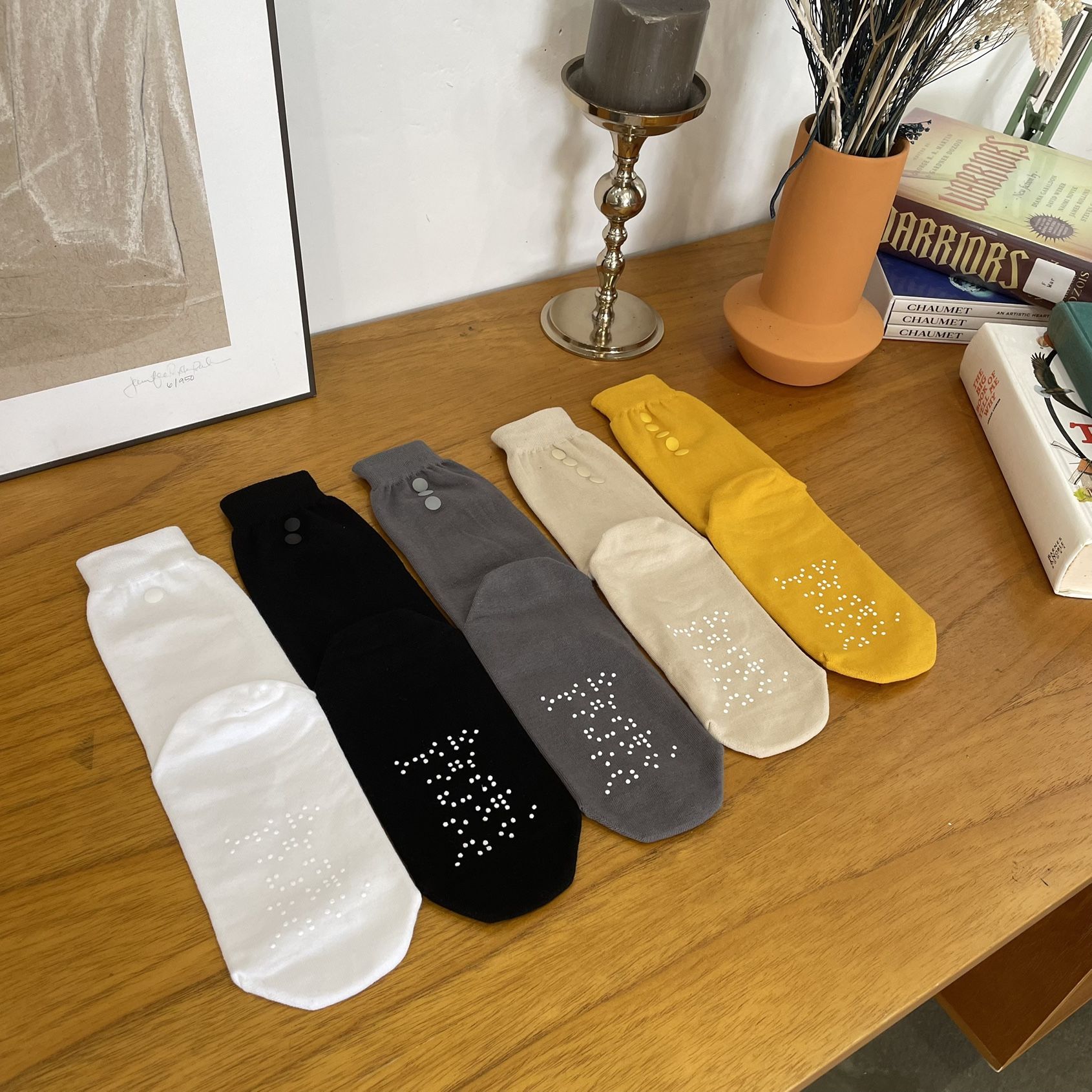
Our first attempt was to mark Braille on the soles of the shoes using non-slip silicone. We thought we could simply label them as “this is white” or “this is black.” When I showed the prototype to visually impaired people and asked for their feedback, they told me that less than 30% of them actually know Braille. That’s when I realized we wouldn’t be able to solve the problem we set out to address—bridging the information gap between the visually impaired and the sighted—if we continued this way.

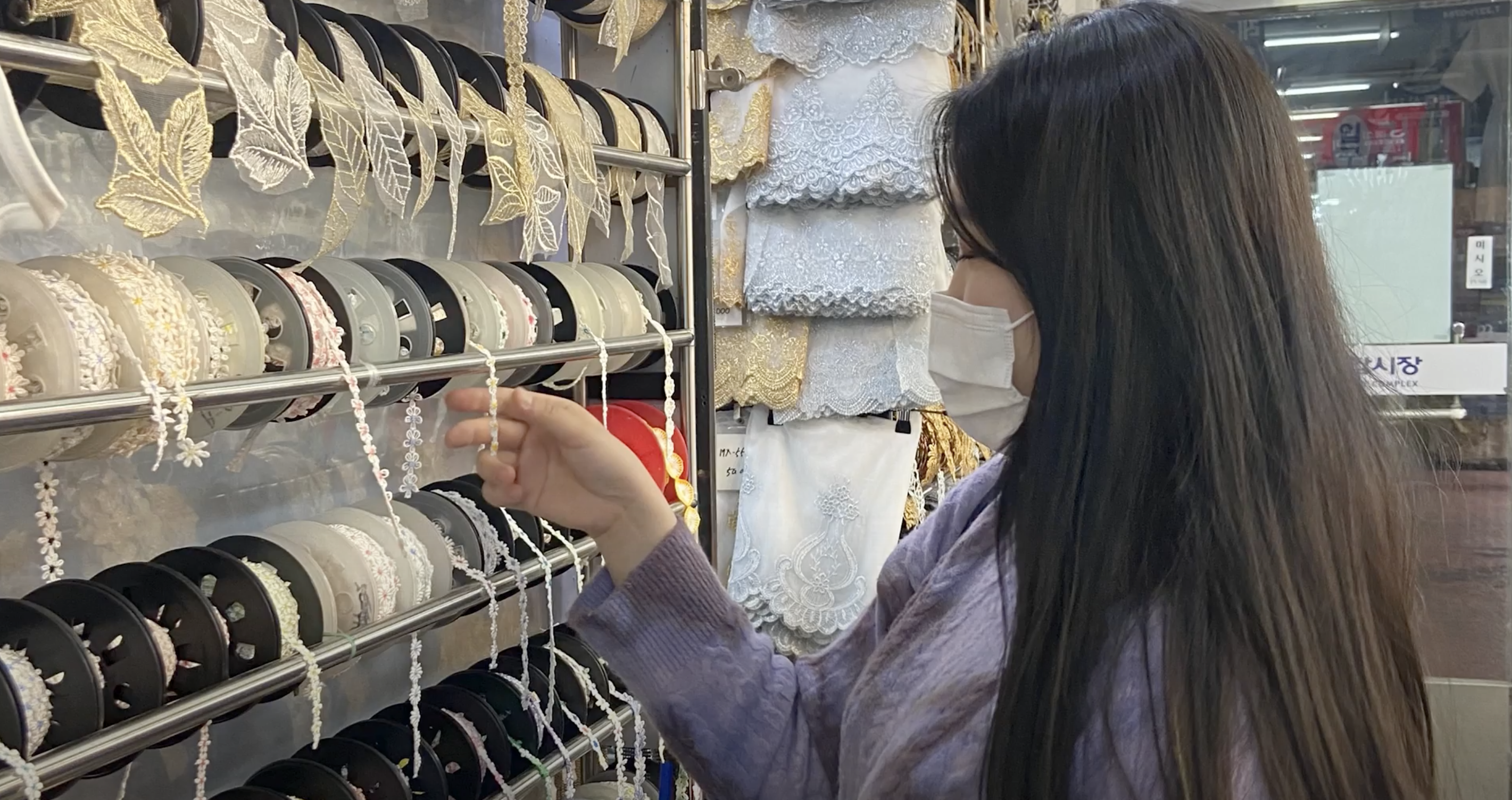
So I decided to come up with a new approach. Then I remembered seeing a pile of tiny snap buttons at the Dongdaemun fabric market. I immediately put the idea into practice: why not attach these small buttons to the socks so that the number of buttons indicates the color of the sock?
Resite's Sock Highlights🧦
✅ Attach raised dots to the soles of the shoes to prevent slipping when walking indoors and ensure safe movement
✅ Since visually impaired individuals have highly developed sense of touch to compensate for their limited vision, we strive to ensure the fabric is as soft as possible and provides a comfortable, non-irritating fit.
✅ Instead of sticking to safe, neutral colors, we’ve created socks in five different colors to better suit the tastes of visually impaired people and give them more freedom of choice.
Thankfully, after launching our crowdfunding campaign Wadiz, we received a lot of positive feedback from many people—comments like “It’s so beautiful” and “How did you manage to bring this idea to life?” Even an organization that had been hesitant about the project idea at first reached out to say they wanted to give it as a gift to people with visual impairments, which made me incredibly happy.
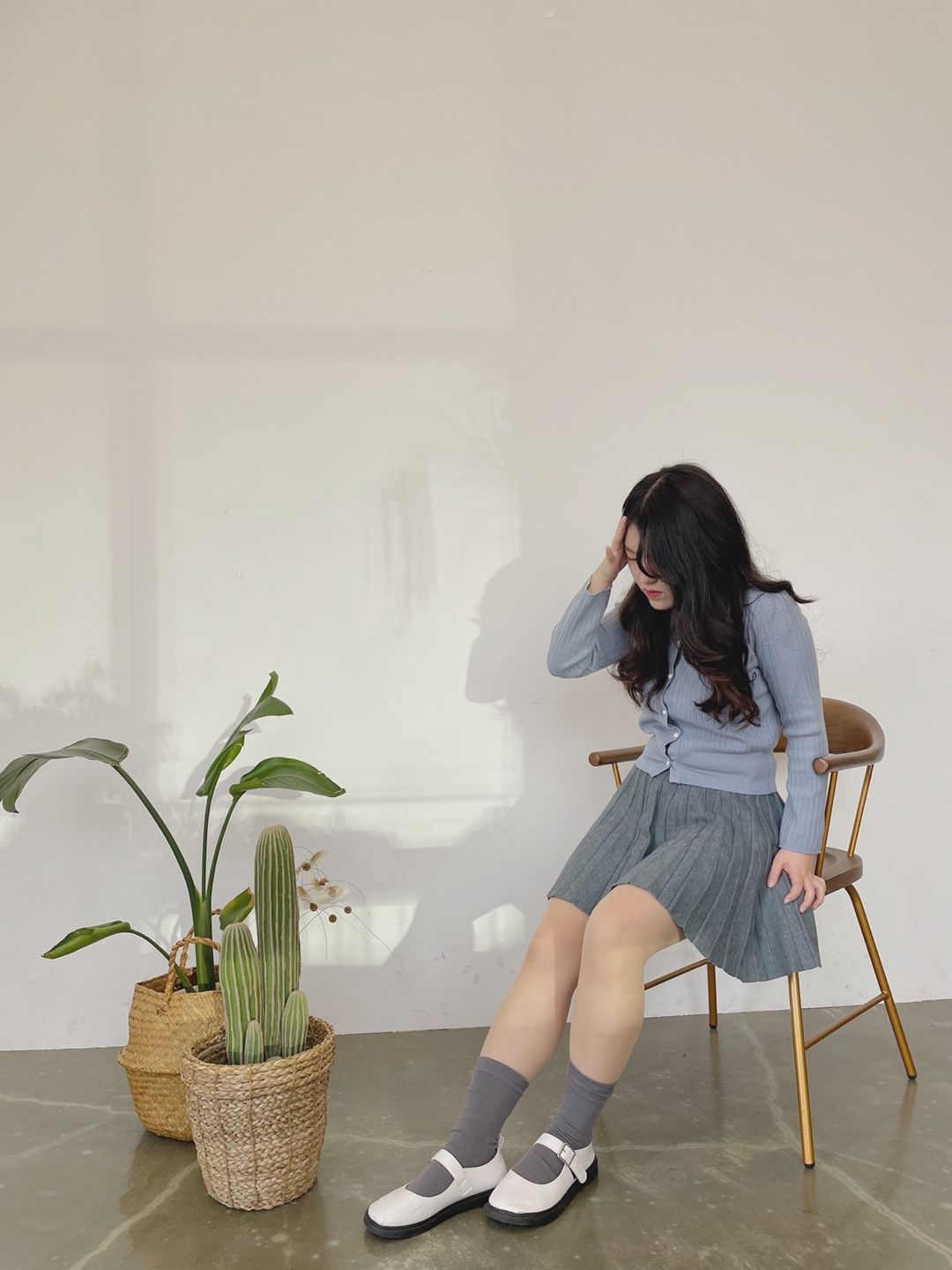
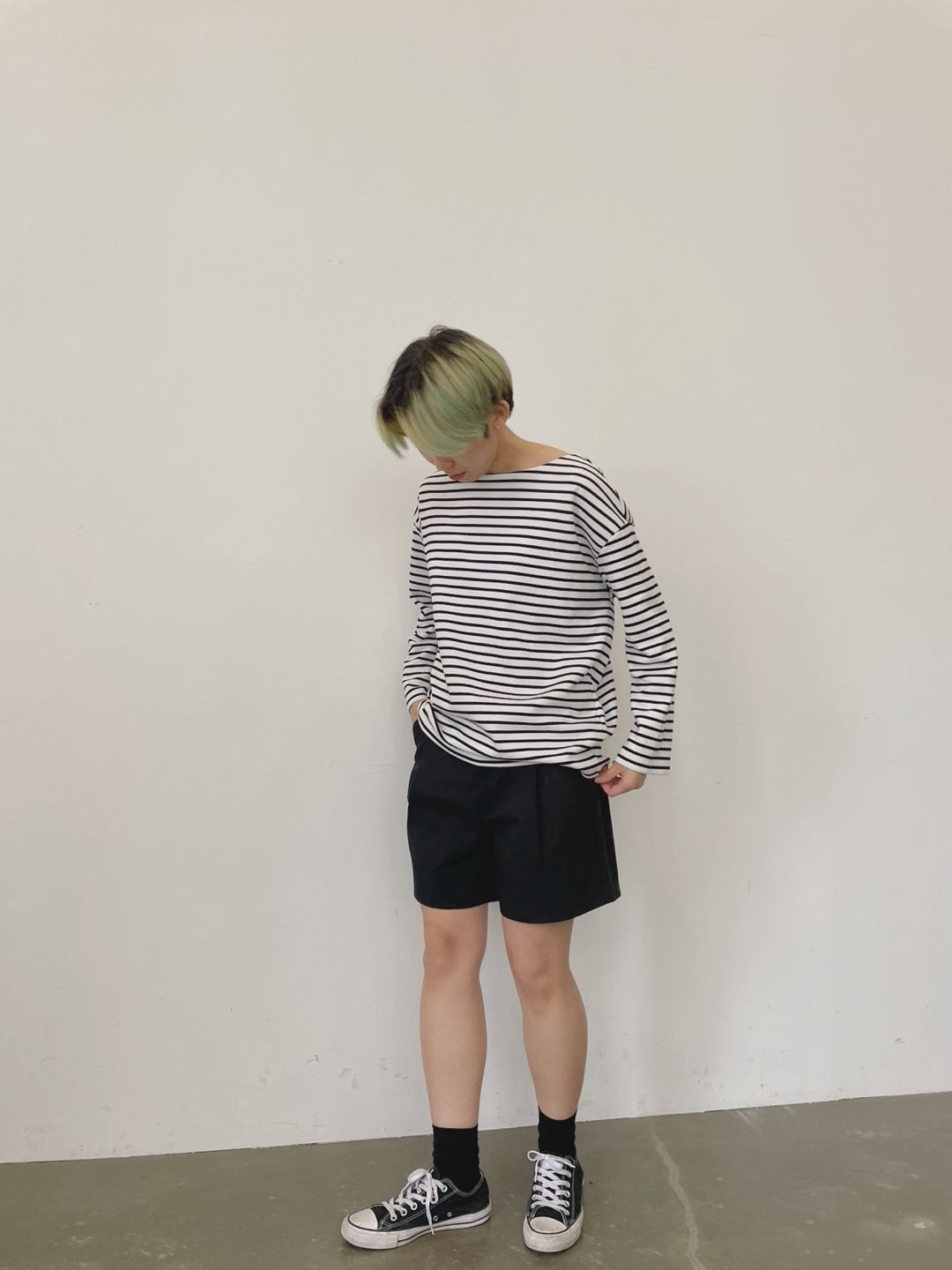
Q. While looking at the funding project, I was really curious about Resite’s next steps. Does Resite have a final goal it hopes to achieve?
I believe everyone has their own tastes and personality. However, I’ve met visually impaired people who felt limited in their fashion choices and ended up wearing only white socks. I think this was a choice made for comfort rather than personal style. While working on this project, I made a conscious effort to remember that “everyone has their own tastes and personality, and we must address any barriers that prevent people from expressing themselves due to a disability.”
No one knows what life has in store. While some people with visual impairments were born with their condition, a significant number have lost their sight later in life. It may be difficult to understand the perspective of a minority group right now, but I believe any of us could find ourselves in that position at any time. That is why Resite is committed to maintaining a constant focus on the lives of marginalized groups and laying the groundwork to ensure they can fully enjoy everything life has to offer.
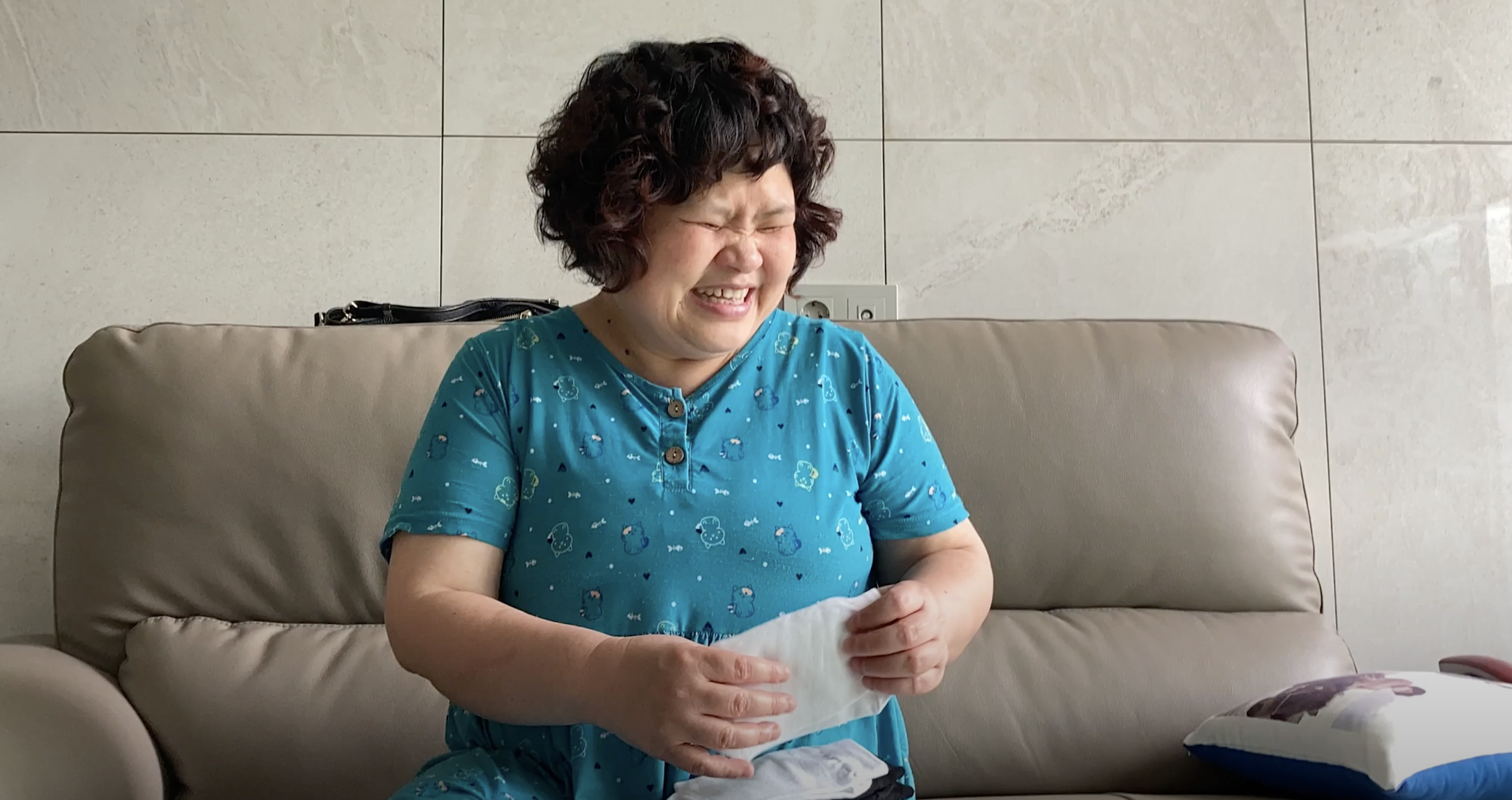
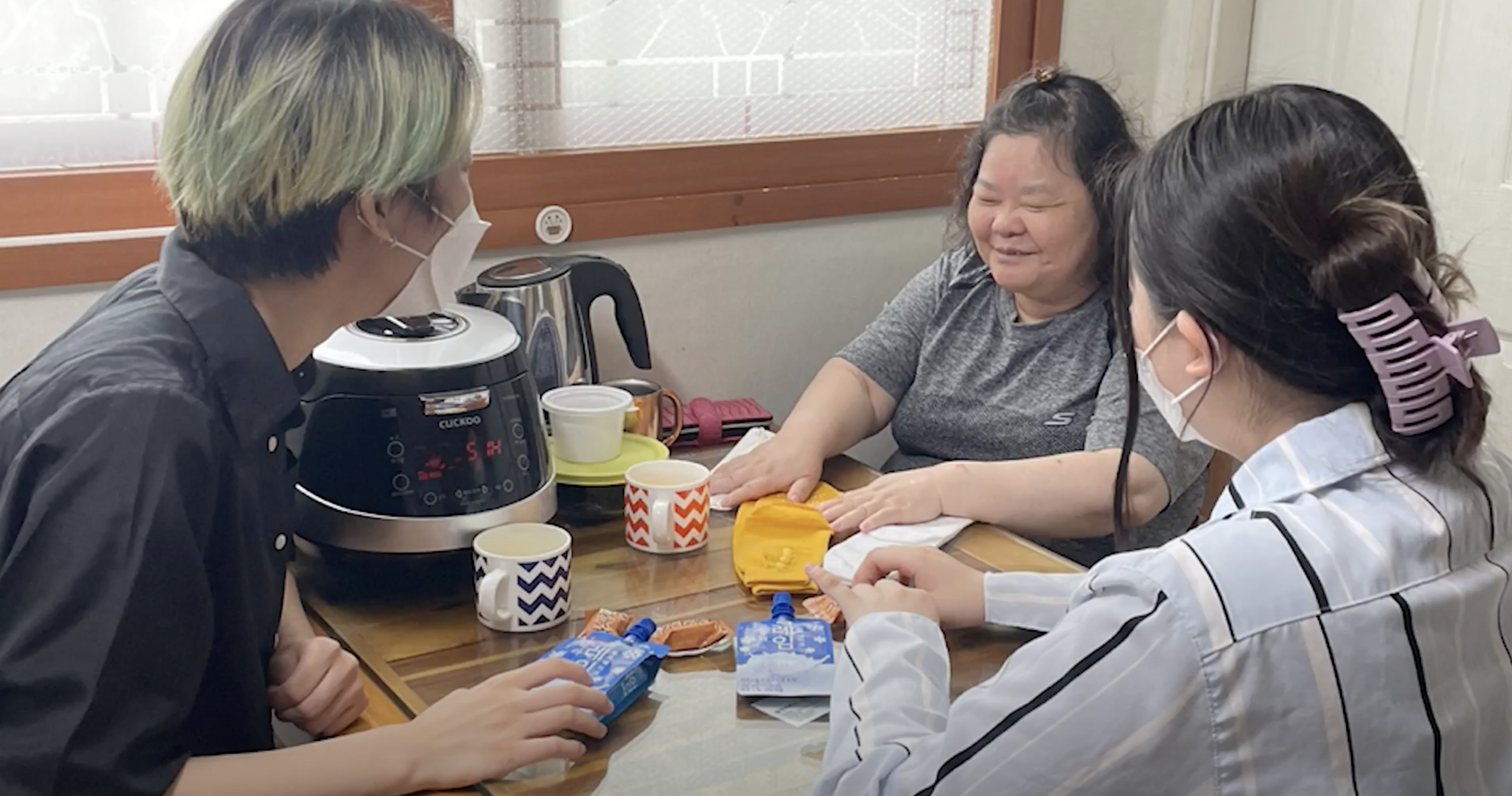
If someone were to ask, “Why should we have a society that respects the preferences of people with disabilities?” I’d want to ask them in return, “Why is it a society that suppresses the preferences of people with disabilities?” After all, as long as we’re born human, we naturally have preferences about everything, and opinions are bound to differ.
Resite’s goal is to create a society and environment where people with disabilities can live without difficulty. We believe that for society to move in a positive direction, young people must take the lead in identifying social issues and demonstrating a commitment to solving them. If we simply stand by and assume things will “work out for the best,” they never will. Resite aims to serve as a guidepost, pointing the way toward a better future.
A single pair of socks may seem insignificant in the grand scheme of things, but initiatives like this project are actually rarer than you might think.
It’s still a small movement, but I believe it will grow like a snowball until it becomes a major force. As time goes on, I hope we’ll see a society where features designed with people with disabilities in mind are easily found everywhere.
Resite’s crowdfunding campaign successfully concluded on July 7, 2021. I heard that the proceeds from the campaign will be donated to visually impaired individuals who need these products. I believe the Resite team’s ongoing efforts to find “better solutions”—striving to make the ordinary extraordinary—are doing more than enough to help create a better world. 🙂
What are some things we discovered today that we hadn’t taken for granted? And what would it take to make those things seem like a given?
Go toWadiz
Get Started withWadiz
The A to Z ofWadiz Go to Maker Center
Get Answers to Your QuestionsWadiz