When you’re heading home after a long, hard day, you naturally start thinking about having a drink. What kind of drink brings you comfort at the end of your day?
We visited “DokBrewery,” a brewerythat creates the most accessible traditional Korean liquor, so that the sweet taste and aroma of makgeolli can quietly blend into your daily life and offer you a gentle comfort.
Your closest source of great beer—Dok Brewery!
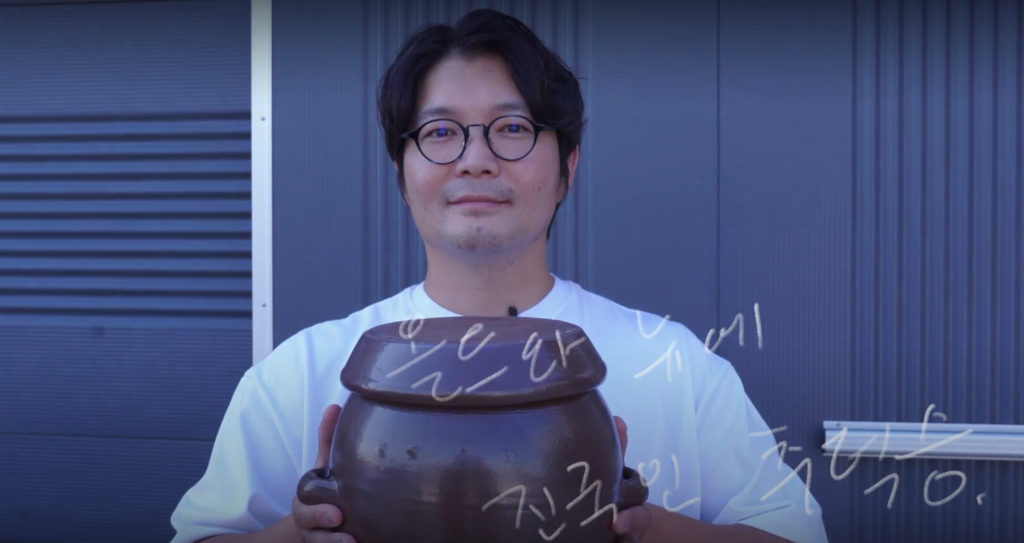
Hello, I’m Choo Deok-seung, CEO of Dok Brewery . At Dok Brewery, we brew makgeolli based on our “Old New”identity. Simply put, “Old New” means“the old made new.”
That’s why many people see it as embodying the spirit of “learning from the past to innovate for the future.” While that’s certainly part of it, the “Old New” concept our team pursues is rooted in the idea of offering diverse and fresh ways to experience our makgeolli—a drink that has remained consistently delicious throughout the ages.
It was precisely because of that determination that Dok Brewery was able to establish its unique identity.
When we make makgeolli, our top priority is “The same taste everywhere.” We hope that no matter who drinks it or where they drink it, it will always be sweet, crisp, and smooth.
However, I found that makgeolli is one of the alcoholic beverages least suited to this trend. Makgeolli is a highly variable beverage, which makes distribution extremely difficult. Since it’s a fresh product ,the “best-taste period”—the timeframe during which the flavoris at its peak—is considered far more important than the standard shelf life, and this period is very short. Even if makgeolli has a shelf life of one year, its best-taste period is only about three to six months, so we face significant challenges in distribution.
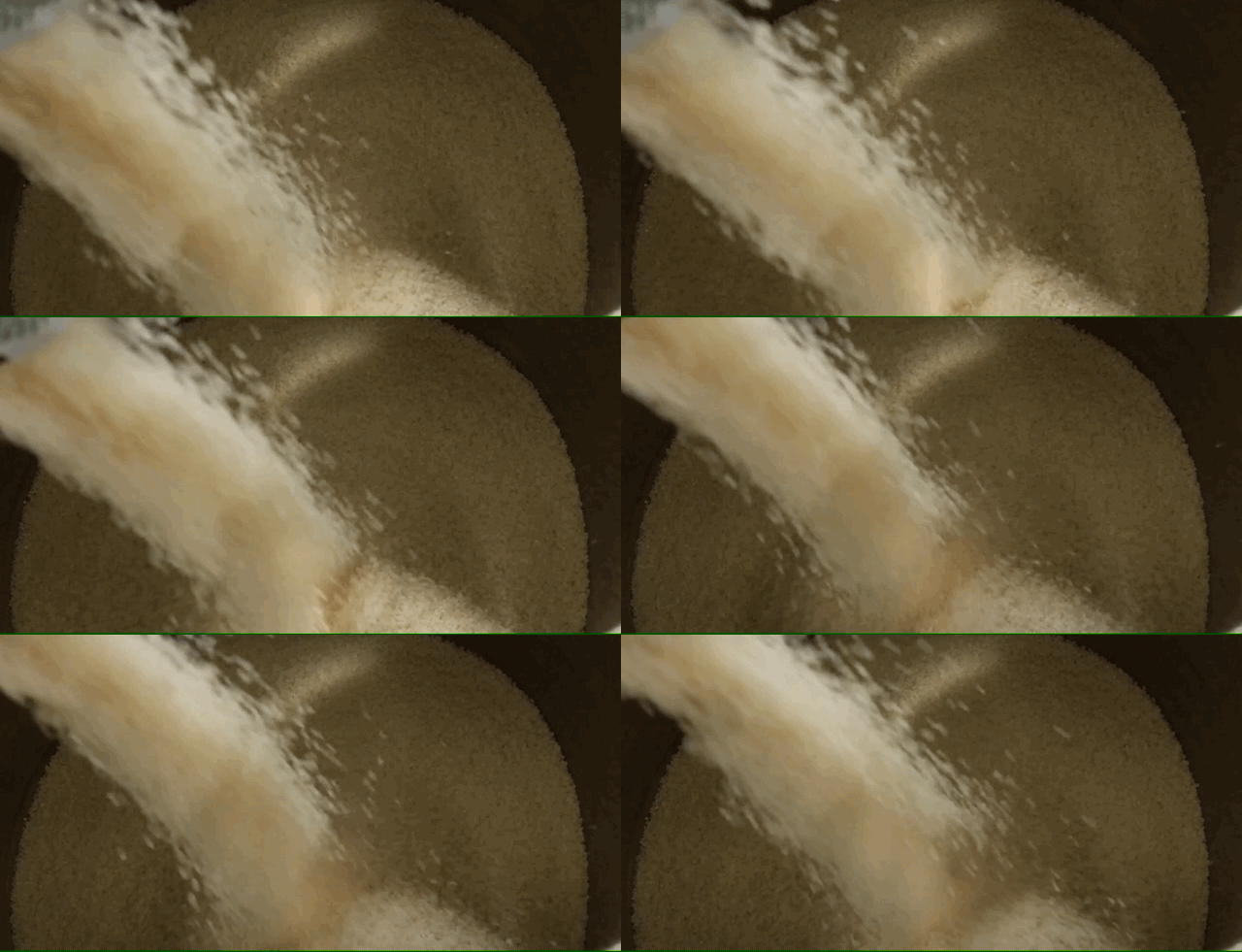
In the early days, it wasn’t easy to even secure the rice needed to make makgeolli. Since the rice market relies heavily on traditional sales channels, farmers tend to operate collectively through farming cooperatives or agricultural corporations. Because they already had so many established suppliers, the amount of rice we could source directly was ridiculously small.
To secure a supply of rice, we would take makgeolli with us every day and spend time persuading the elders. As we kept telling them about our brewery and asking if they could spare some rice, they eventually came to trust us and started giving us rice. Looking back now, I think it was through this process of overcoming challenges one by one that we were able to establish our brewery’s unique identity.
The unique flavor of our makgeolli, which reflects the local character—that’s what sets us apart.
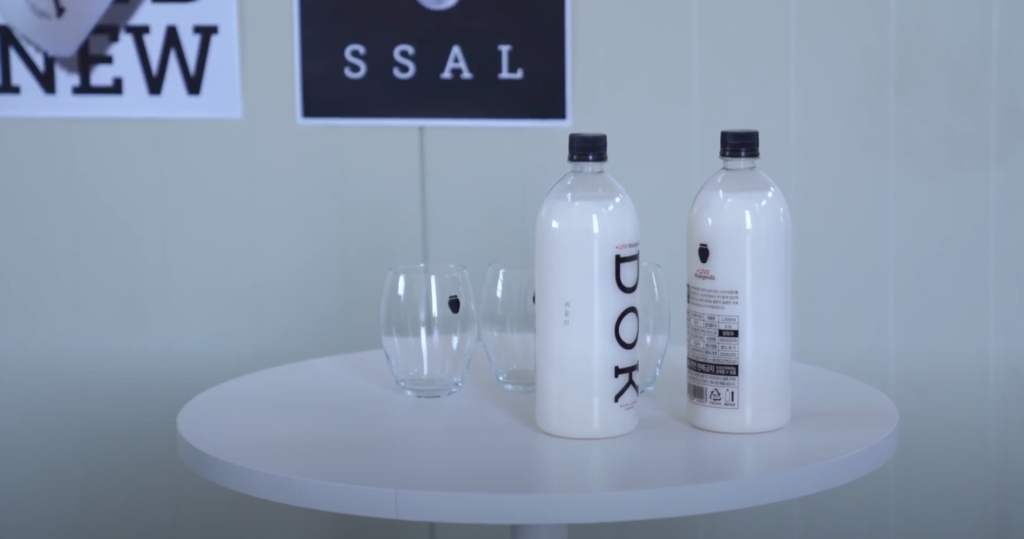
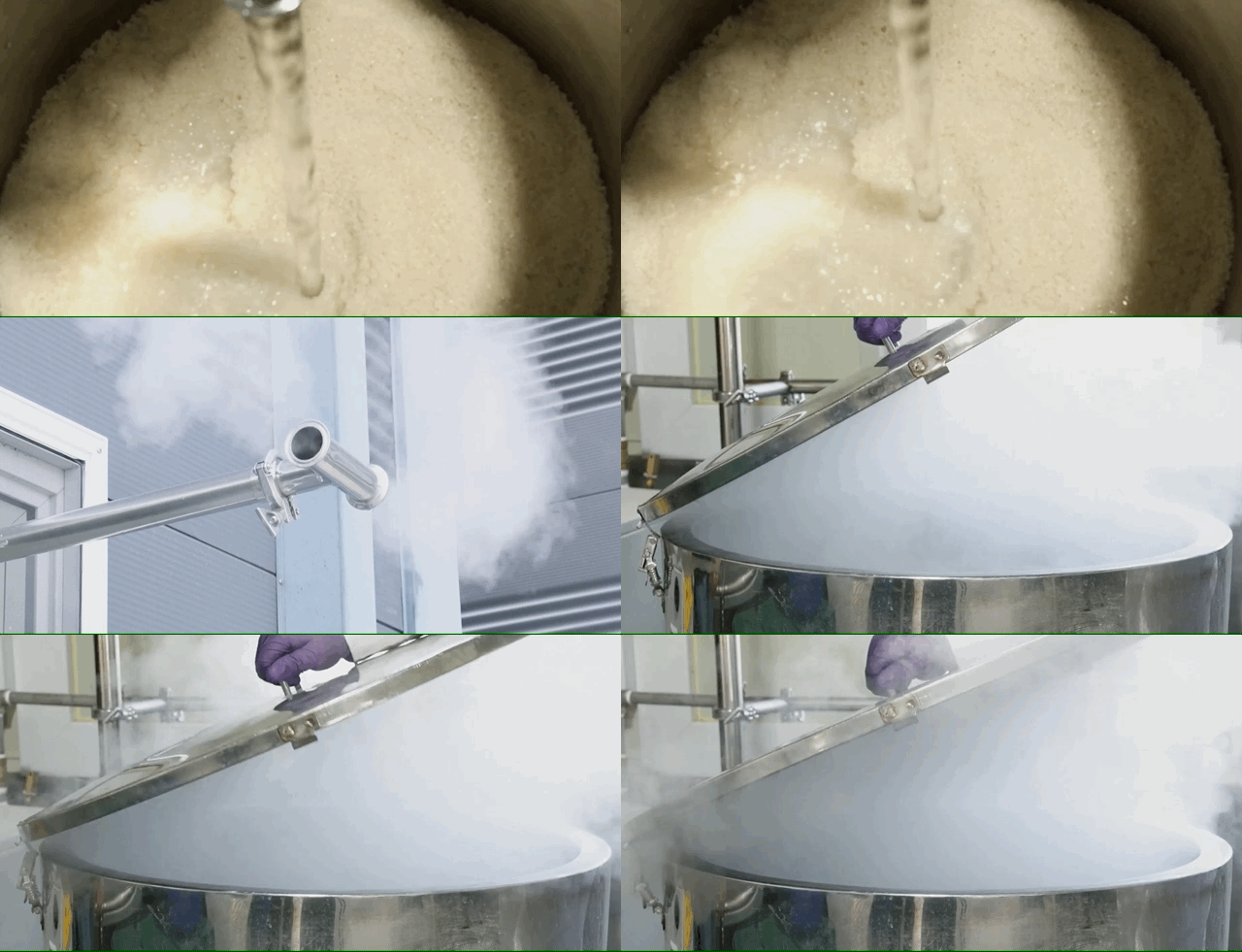
We believed that for makgeolli to become a high-value product, its unique characteristics had to be clearly defined. That’s why we at Dok Brewery do not use sweeteners like aspartame, so that we can fully convey the true essence of makgeolli.
Aspartame is a sweetener commonly used not only in makgeolli but also in soft drinks to add sweetness. We use a brewing technique that captures the sweet flavor of the flesh of cantaloupe or honeydew melon in our makgeolli, allowing us to achieve a rich, savory taste without using sweeteners like aspartame.
In addition, we incorporate local specialties to infuse our makgeolli with regional character.While we strive to differentiate ourselves through taste ,I believe that capturing the unique charm of each region in our makgeolli is also a competitive advantage.If we grow steadily asa regional brand , couldn’t we eventually become a brand loved throughout Korea? That’s why I believe that simply gaining recognition as a regional makgeolli brand is, in itself, a worthwhile endeavor.
I believe that by working together with local farmers, we can make better makgeolli.
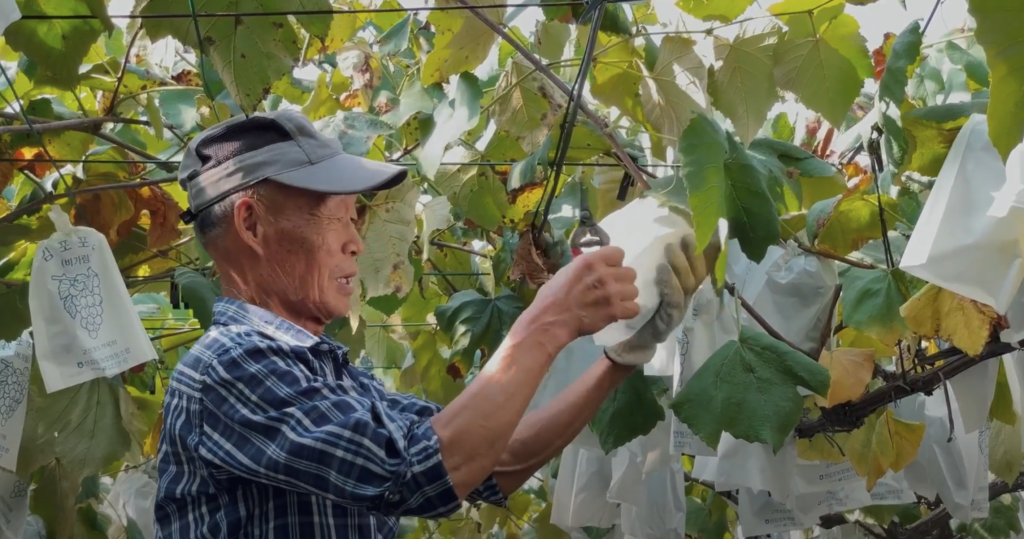
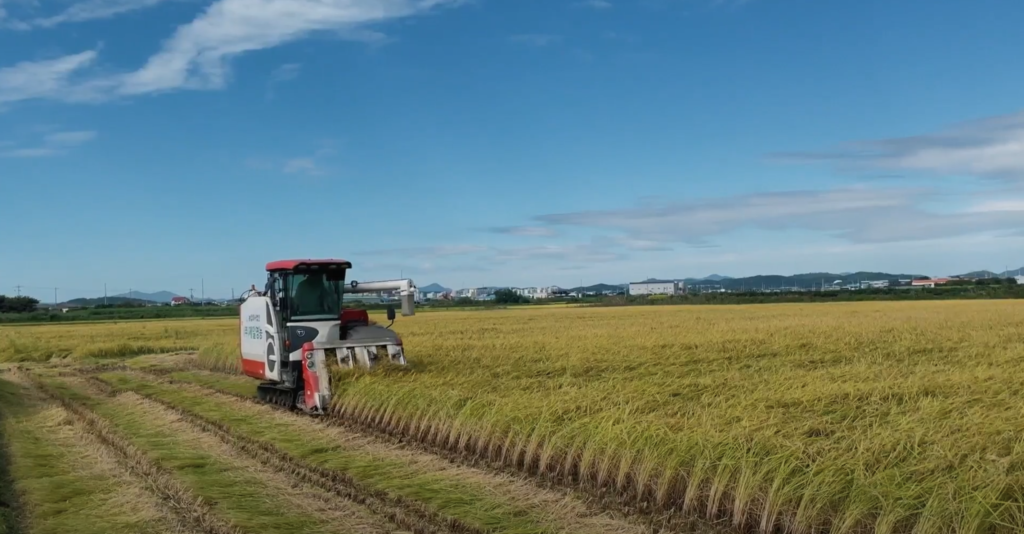
While visiting farms in person to obtain a license for local specialty liquor, I had many conversations with the farmers and even got to experience harvesting crops firsthand. Seeing and feeling firsthand just how hard the farmers work to cultivate and harvest their specialty products naturally led me to develop a sincere desire to build a mutually beneficial relationship with them .
Fortunately, the makgeolli industry I wanted to get into was a way to foster mutual growth with local farmers. The makgeolli industry is precisely the sector that plays a major role in boosting rice consumption. When makgeolli is made using locally grown rice ,farmers can earn higher profits, andsince rice is being consumed through a new channel—namely, alcohol—it helps stimulate overall consumption.
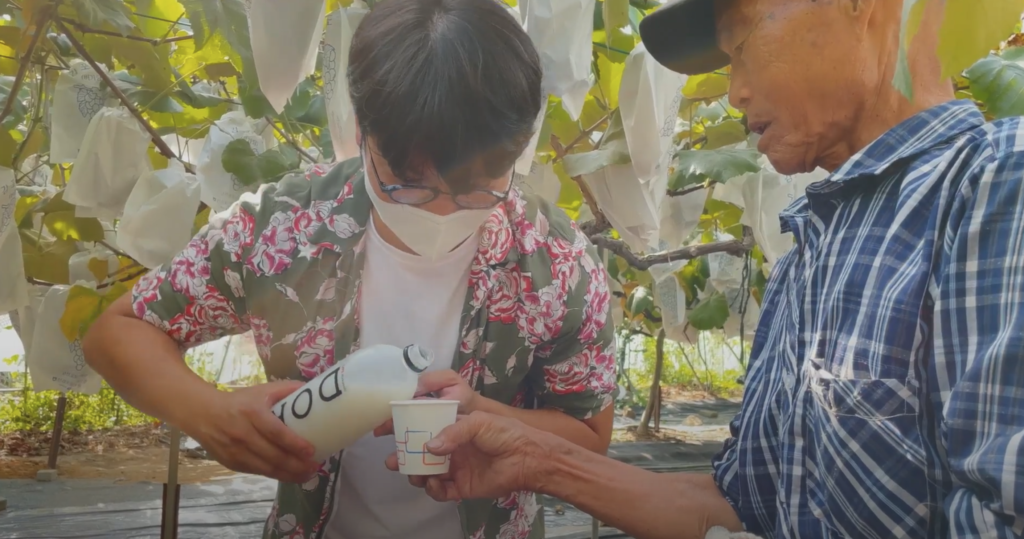
We believe that only by truly understanding the community itself and the perspectives of its residents can we achieve the values we strive for, which is why we continue to make every effort to engage with as many people as possible. We also consider this to be the very essence of our work.
Of course, we can’t ignore the economic aspects, but I believe the best approachto “making a living”is to foster a virtuous cycle where we coexist with local residents over the long term and spread our love for the region to others. If we can create this virtuous cycle, wouldn’t everyone gain the strength to sustain their momentum for growth? We hope that our sincere desire to coexist with farmers will resonate positively throughout the region.
Makgeolli tastes best when it’s rustic!
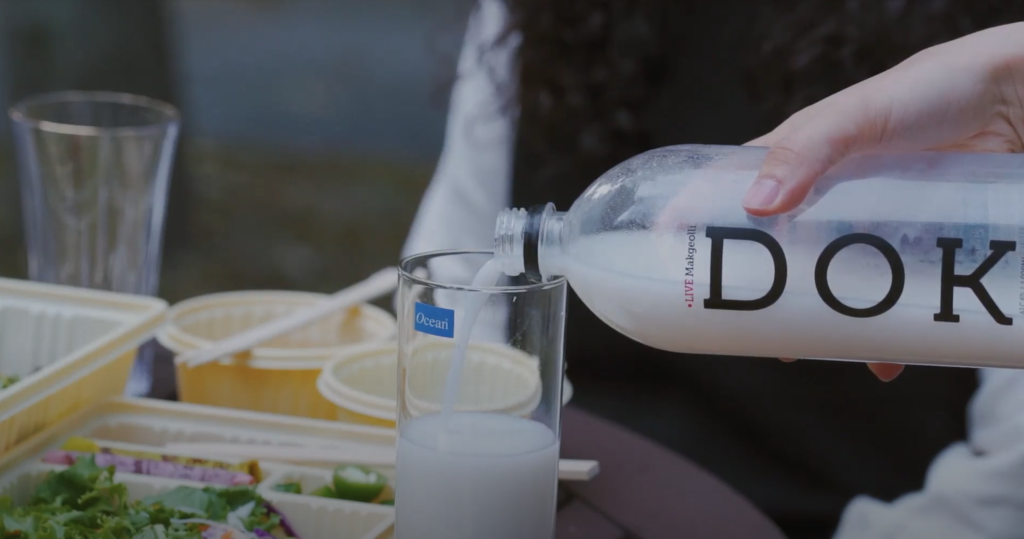
Among the countless types of alcohol, I believe makgeolli is the only one that pairs perfectly with Korean food. Although it’s often perceived as heavy and filling because it’s made from rice, it’s also a drink that offers a warm, comforting sensation precisely because of that. We chosethe pureKoreanword “Dok”as our name because we wanted to truly convey the charm of makgeolli.
Many people describe our brandas “hip,” but we often find ourselves hoping that people would see usas “old-fashioned” rather than “hip .” We ask ourselves, “Whycan’t we be old-fashioned?” and“Isn’t that old-fashionedvibe part of what makes makgeolli so appealing?”
Of course, using trendy designs and messages tailored to the MZ generationis essential for introducing makgeolli to younger generations. But I believe that, at its core, the most important thing about makgeolli is bringing out its unique charm—the very qualities we often dismiss as old-fashioned.
That’s exactly what I realized was the similarity between craft breweries and makgeolli.
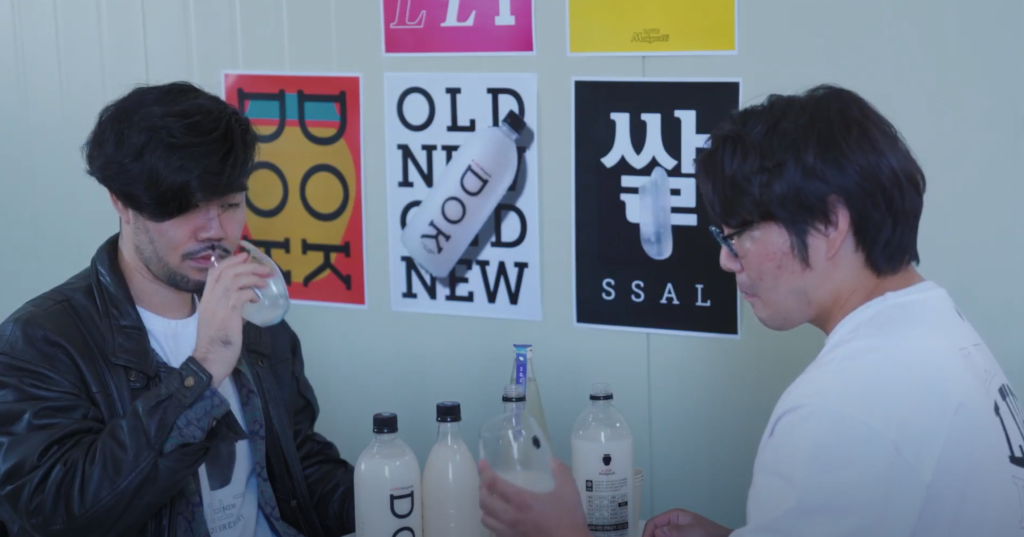
I think makgeolli and the conceptof “challenge”are quite similar. Regional makgeolli brands, found in every corner of the country , are constantly taking on the challenge of refining their flavors. I , too, am constantly reflecting on and challenging myself to figure out what makes a good makgeolli and what kind of makgeolli we should be striving for. Just as today’s makgeolli brands are constantly taking on new challenges to resonate with our generation, I, too, enjoy taking on similar challenges. In that sense, I think makgeolli and I are very much alike.
Launching a crowdfunding campaign Wadizwas one of the challenges we took on at our brewery. Given all the time and care we’ d poured into our makgeolli, we were confident it would be a success, but the results turned out even better than we’d imagined.
While the results of Wadiz campaign were good, we actually saw even more great opportunities come our way after the campaign ended. Being able to highlight our successWadizallowed us to introduce our brand in a way that really made an impact.
Building on the opportunities that have come our way, we will continue to strive tirelessly to ensure that our Dok Brewery’s makgeolli, DOK,can reach even more people as a source of comfort.
The more we view the past through a fresh lens, the more its value is amplified. Wadizwill always cheer on Dok Brewery as they infuse makgeolli—a drink that has been with us for generations —with authenticity and continue to enhance its value, hoping that their dedication reaches even further afield!
Go toWadiz
Get Started withWadiz
The A to Z ofWadiz Go to Maker Center
Get Answers to Your QuestionsWadiz